Why outdoor play matters more than ever
Think about your most vivid childhood memory. Chances are, it was something that happened outside: the thrill of climbing higher than you thought you could; the focus of building a den from sticks and hoping it would hold; the complete absorption of chasing something across open ground.
Today, children have more competing demands on their time, and opportunities for outdoor play can be easy to overlook. Yet play remains an important part of childhood, supporting children’s physical, social, emotional, and cognitive development.
For schools, this raises an important question: how can we make outdoor play a meaningful part of children’s everyday experiences? With thoughtful design and the right opportunities, school grounds can offer far more than a place to spend breaktime. They can become spaces where children build confidence, connect with nature, learn together, and let their imaginations run wild.
The benefits of outdoor play
Outdoor play comes in many forms, from energetic games and imaginative adventures to quiet nature exploration and sensory experiences. By offering varied opportunities to play, schools can help children experience a range of benefits throughout the school day. At Precision Timber, we know that well-designed outdoor environments can help make these experiences possible.
1. Increased physical activity
One of the most obvious benefits of outdoor play is that it gets children moving. The World Health Organization recommends that children aged one to four accumulate at least 180 minutes of physical activity throughout the day, while those aged five to seventeen should average at least 60 minutes per day.
Running, balancing, scrambling, and climbing all give children opportunities to build strength, coordination, and physical confidence. In a school playground, varied equipment can encourage pupils to move in different ways, try new challenges, and progress at their own pace. Whether they’re scaling an adventure tower or carefully making their way across trim trail features, children can develop their skills while enjoying the freedom of active play.
2. Connections with nature
Outdoor play gives children the chance to explore their natural curiosity. They might search for minibeasts beneath leaves, compare the textures of bark and stones, watch plants change with the seasons, or get hands-on with mud and water. These small discoveries can help them develop a sense of wonder and respect for the environment.
Schools can nurture this connection by making nature an accessible part of everyday play. Planting areas, natural materials, and spaces to explore can bring children closer to the world around them. They can also complement classroom learning, offering first-hand ways to explore topics such as biodiversity, sustainability, and the changing seasons. As a family business with a passion for natural play, Precision Timber understands the value of creating outdoor environments that invite children to explore.
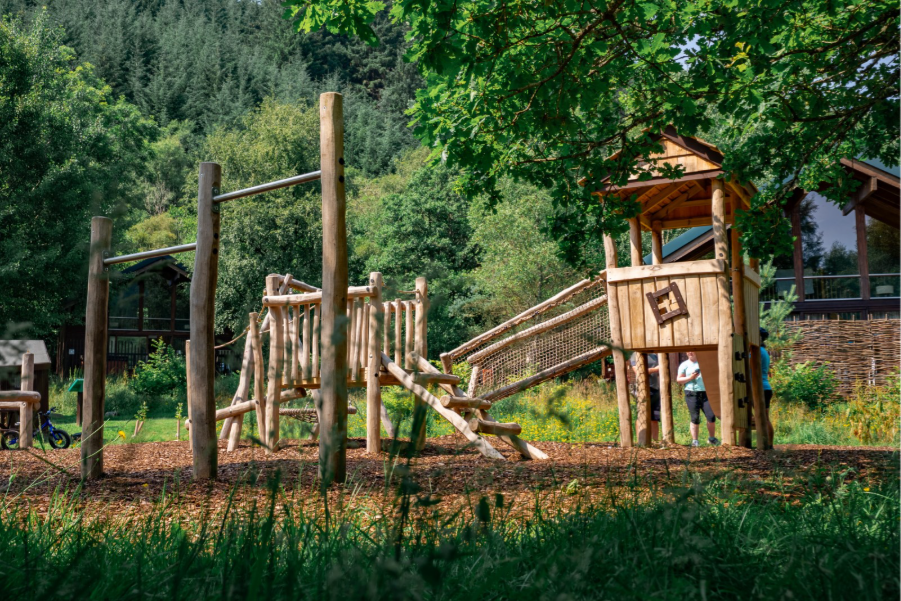
3. Improved social skills
Playgrounds are important social spaces, giving children opportunities to build friendships, communicate, and learn how to play alongside others. From taking turns on climbing equipment to working together to build a den, outdoor activities encourage children to share ideas, negotiate, and cooperate.
A varied playground can offer different ways to connect. Group games may bring children together, while shared play features can prompt conversation and teamwork. Thoughtfully planned spaces can also provide different types of play, helping more children find an activity that feels comfortable and enjoyable for them.
4. Opportunities for problem-solving and practical learning
Outdoor play presents children with new situations to explore and problems to solve. They might work out how to cross a climbing structure, test what happens when water flows through different channels, or figure out how to build a den that stays standing. These experiences encourage children to experiment, adapt, and think creatively.
Outdoor classrooms and nature-based play areas can also extend learning beyond the traditional classroom. Practical activities give pupils opportunities to explore ideas first-hand, work collaboratively, and connect lessons with the world around them. With the right design, outdoor spaces can support both structured learning, and the discoveries children make for themselves.
The Natural Connections Demonstration Project, delivered by Plymouth University, involved more than 40,000 pupils across 125 schools. In findings published in 2016, 92% of teachers surveyed said pupils were more engaged with learning outdoors. This finding concerns reported engagement, rather than proof of higher attainment. Read Natural England’s project findings.
5. Better mental health
Outdoor play can support children’s mental health and wellbeing, offering opportunities for movement, fresh air, social connection, and time in nature. A chance to run around, explore a new activity, or enjoy a quieter moment outdoors can provide a valuable change of pace during the school day.
Children have different preferences and needs, so a playground should offer more than one way to take part. Some pupils may thrive on energetic climbing and group games, while others may prefer sensory activities, nature play, or a calm place to sit and talk. Providing a range of outdoor experiences can help schools create spaces that feel welcoming and engaging for more pupils.
6. Creativity and imagination
Outdoor environments can be a wonderful starting point for imaginative play. A few branches and leaves might become a woodland hideaway; a timber structure could turn into a castle, spaceship, or secret base. Water, sand, mud, and other natural materials give children the freedom to experiment, make things up, and see where their ideas lead.
For schools, open-ended play opportunities are particularly valuable because children can direct their own activities rather than follow a set outcome. They can invent games, create imaginary worlds, and work together to build something from loose natural materials, developing independence as they go. At Precision Timber, we design bespoke play environments that encourage children to use spaces in different ways, giving their creativity room to grow.
Making the most of your school's outdoor space
There is no single formula for a great school playground. Every school has its own students, priorities, and outdoor environment, which is why it’s important to consider what will work best for your setting. You don’t need extensive grounds to create varied opportunities for play; the key is making thoughtful use of the space available and understanding how children could use it.
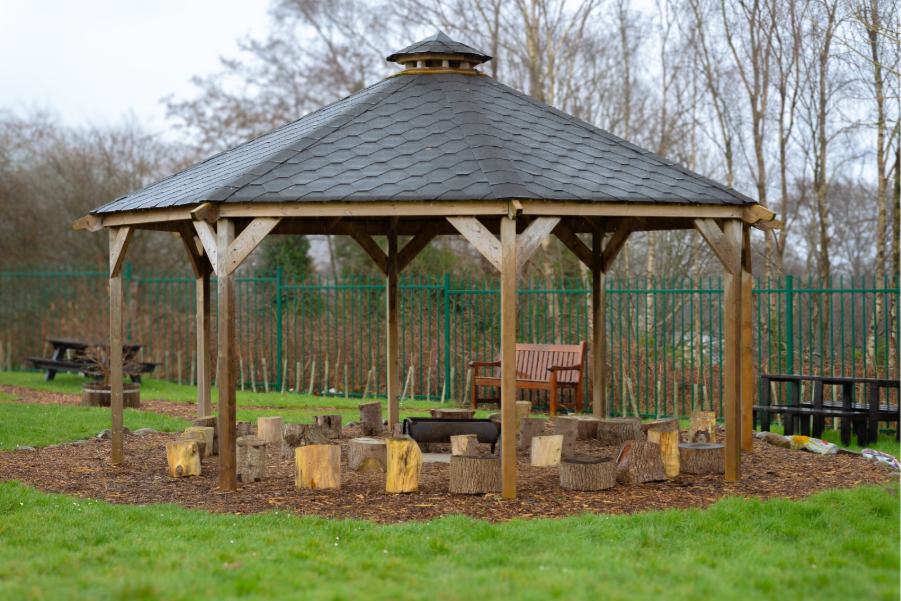
It’s also worth thinking beyond breaktimes. Outdoor play and learning can be part of everyday school life, not something reserved for lunch and afternoon breaks. Outdoor classrooms, reading areas, sensory features, and opportunities for nature-based learning can help schools make use of their grounds across the curriculum.
Inclusive play should be part of this thinking from the outset. Children have different abilities, sensory preferences, and ways of engaging with the world, and outdoor spaces should offer meaningful opportunities for everyone to participate. Accessible routes, sensory play, varied challenges, and places for quieter play can help create a more welcoming environment. The right solution will depend on the students and the school, so listening to the needs of your community is an important first step.
How Precision Timber can help
At Precision Timber, we’re passionate about the power of outdoor play and the difference it can make to children’s everyday experiences. As a family business, we bring together our understanding of child development, experience working with schools and academies, and a love of timber craftsmanship to every project.
Our co-founder, Amy, brings first-hand insight from her background as a primary school teacher. Her understanding of how children learn, develop and interact with their surroundings helps shape outdoor spaces around the needs of the children who use them, creating opportunities for play, exploration and practical learning throughout the school day.
We know that no two schools are the same. That’s why we take a bespoke approach, working closely with each school to understand its priorities, pupils and environment before developing a solution that fits. From adventure towers, trim trails and natural play features to sensory equipment, inclusive play equipment, outdoor classrooms and planting areas, every design is shaped around the needs of the people who will use it.
Our designers and skilled woodworking team work together in-house, combining creativity, technical expertise and craftsmanship to take each project from initial design through to manufacture. By designing and making our equipment ourselves, we can tailor every solution to the individual brief and create outdoor spaces that encourage children to move, explore, imagine and learn.
For example, at Bank End Primary Academy in Barnsley, we transformed an underused outdoor area into a bespoke reading garden. The project illustrates how school grounds can provide opportunities beyond active play, including spaces for reading and quieter activities. Explore the Bank End Primary Academy reading garden.
If you’re looking to create more opportunities for outdoor play and learning at your school, come and meet the Precision Timber team at the Schools & Academies Show. Visit us on stand G12 at the NEC, Birmingham, on Wednesday 18 and Thursday 19 November to discuss how a bespoke outdoor environment could support your students.
You can also visit our website to find out more: https://www.precision-timber.co.uk/